April 28, 2025
What Netflix’s Adolescence Teaches Us About Teens and Tech
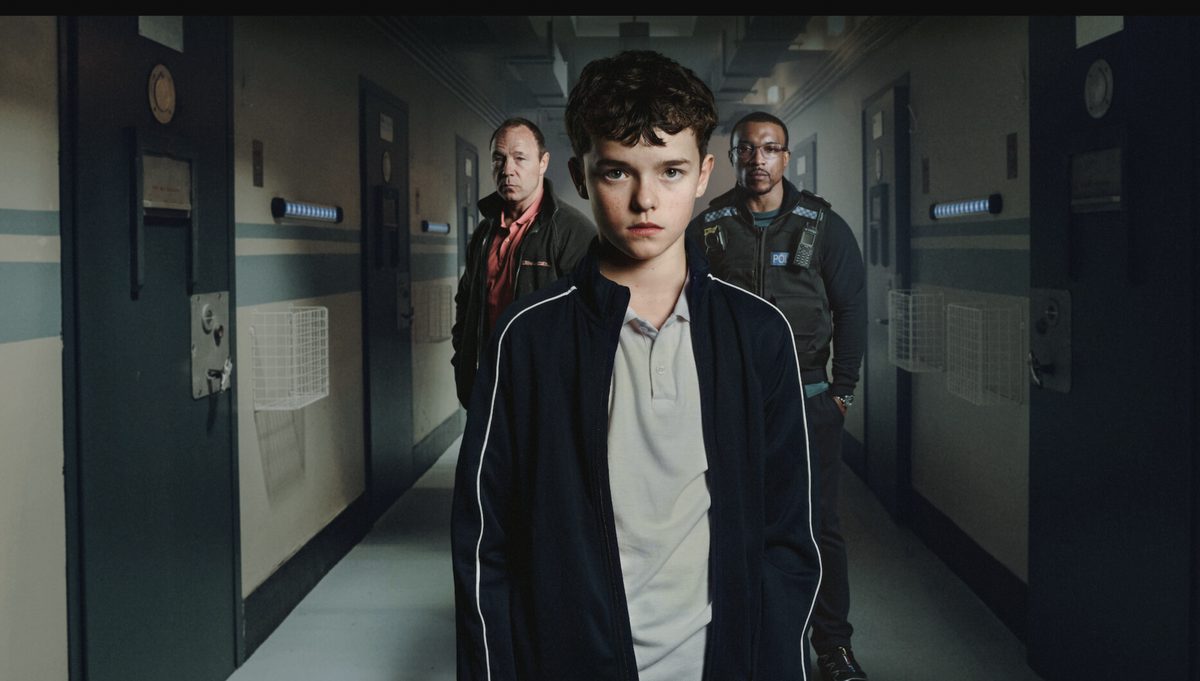
Stephen Graham’s applauded mini-series Adolescence, which premiered on Netflix on March 13, has quickly become the platform’s most-watched show in the United Kingdom and 70 other countries. The series’ emotional closing monologue—a father’s confession, “I’m sorry, son, I could’ve done better”—has struck many viewers worldwide.
The show’s success stems from exploring contemporary intergenerational issues, particularly the divide between Generation Z (born roughly 1997-2012) and Millennials (born approximately 1981-1996). “Adolescence” examines how parents struggle to understand the profound impact of social media on their children’s development while younger generations navigate digital environments their elders never experienced.
Social Media, hidden emojis, and online subcultures
In Adolescence, a four-episode drama, the murder of 13-year-old Katie Leonard is not just a crime—it’s a reflection of the darkest corners of teenage life on social media. At the centre of the story is Jamie Miller, an isolated classmate accused of her death. However, as investigators dig deeper, it is not a simple case of guilt or innocence. It is but a chilling tale of cyberbullying, online radicalization, and the hidden language of teenage distress.
Katie and her peers used coded emojis—harmless to adults but dangerous in teenage circles. A single red bean emoji, laced with unspoken ridicule, labelled Jamie an “incel” (involuntary celibate), thrusting him further into the toxic grip of the online ‘manosphere’—a network of misogynistic forums preying on vulnerable young men.
The series does more than dramatize a tragedy; it dissects a reality in high schools and online platforms worldwide. It asks uncomfortable questions: How much do parents and educators genuinely understand the coded conversations happening on their children’s screens? When does feeling disconnected in a digital world become a real problem?
In an era where algorithms and anonymous avatars increasingly shape adolescence, ‘Adolescence’ drama forces us to confront an unsettling truth – the most dangerous threats to today’s teenagers are often the ones hiding in plain sight.
Parents and teachers are weighing in on Netflix’s “Adolescence” across social media platforms, debating if social media is bad for youth. The drama has sparked conversations about the complex relationship between adolescents and their online lives.
Parents and teachers are already reacting online, with many reflecting on their own digital blind spots. As one parent, Ann Roberts, commented on her Facebook page, “It’s an eye-opener and a heart-breaking one… These kids are learning too much too soon and cannot cope with the pressure.”
Adolescence isn’t just a must-watch drama—it’s a conversation starter about screen time, mental health, and the digital lives our kids are living without us. Every parent should watch this show.
SHARE THIS ARTICLE VIA

Related Articles
Get Up, Stand Up
Cedella Marley and No Bully proudly present our latest PSA “Standing up for yourself, standing up for others, and standing up for what is right are three very important values my parents instilled in my siblings and me when we were growing up in Jamaica. And as a mom of three sons, I felt [...]
Capri Sun’s Together Table
Capri Sun and kids wave off bullying with the Together Table. The Together Table aims to drive awareness of bullying in the cafeteria with a seat for every kid. PITTSBURGH & CHICAGO – October 16, 2018 – Every day, 160,000 students skip school due to fear of bullying and exclusion1, with nearly one quarter [...]
I Have A Voice
This national singing competition is generously sponsored by Hasbro, Inc. as an expansion of its BE FEARLESS BE KIND philanthropic initiative. THE WINNING SCHOOL WILL RECEIVE A VISIT FROM WÉ MCDONALD, PERFORMING A 30 MINUTE CONCERT IN YOUR SCHOOL NEXT SPRING! On December 12, 2016 Broadway Records and No Bully [...]