June 30, 2025
Is there still a place for Social Media Day?
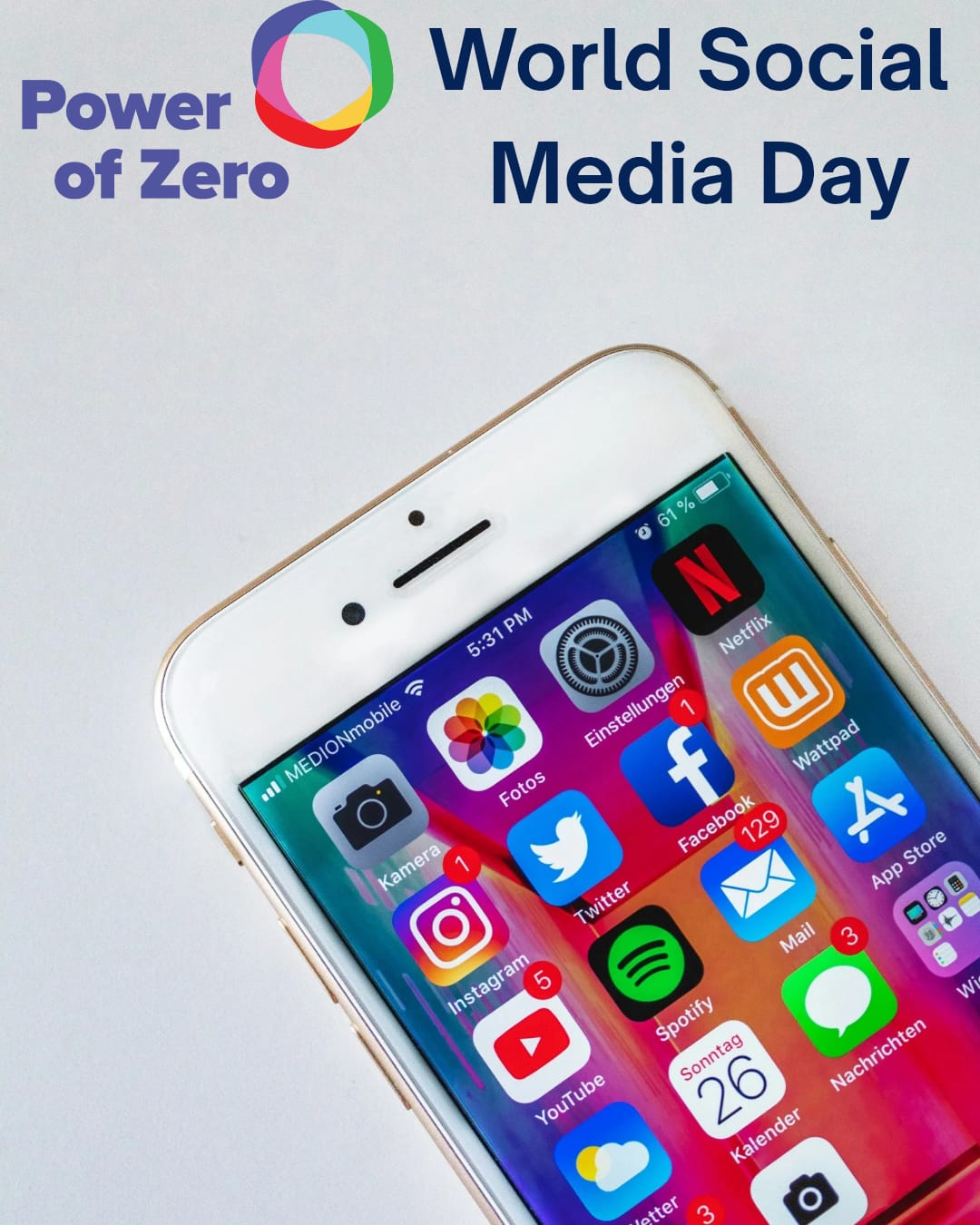
When Social Media Day launched in 2010, the response was overwhelmingly positive. Mashable, the digital media site behind the idea, helped coordinate 724 events in 93 countries to mark the occasion. Local governments joined in too – the City Council of Victoria, British Columbia, became the first to issue a formal proclamation recognising the day. People posted enthusiastically with #SMDay, celebrating the communities they’d built online and reflecting on the internet’s original promise of a more connected world.
Fourteen years later, that optimism feels harder to hold. Concerns about screen dependency and mental health are now central to the conversation. Studies link excessive social media use to heightened anxiety, depression, and low self-esteem, especially among young people. New terms have emerged to describe online behaviour that borders on compulsion, like doomscrolling, the habit of endlessly reading bad news, and bedrotting, a TikTok-born phrase for staying in bed all day, glued to a screen.
The images are striking: a young person in a messy room, scrolling through a glowing screen in the dark. What began as joyful connectivity has, for many, turned into something more disorienting – compulsive phone checking, digital fatigue, and the quiet erosion of attention, rest, and real-world connection.
In response, some users are stepping back. Digital detoxing is no longer niche. TikTok creator Sammy Palazzolo (@skzzolno) documented her decision to switch to a flip phone to reduce screen time. On Reddit, communities like r/dumbphones swap tips on disconnecting. And according to Reuters, more than 450,000 “brick” phones were sold in the UK in 2024 — a sign of just how many are trying to break free from the scroll.
Governments are taking note too. Norway has proposed banning social media access for children under 15 to protect their mental health and development. In the UK, there’s rising interest in similar restrictions. While legislation has yet to pass, policymakers are exploring time limits, school phone bans, and stronger digital protections under the Online Safety Act.
So, what do we do with Social Media Day now?
Maybe it’s no longer a time to simply celebrate our feeds. Maybe it’s a moment to pause, to ask how we’re doing, what we’re consuming, and what kind of digital lives we want to build. The platforms aren’t going away. But our relationship with them can evolve.
Author: Chloe Clarke, volunteer writer, Power of Zero.
SHARE THIS ARTICLE VIA

Related Articles
Get Up, Stand Up
Cedella Marley and No Bully proudly present our latest PSA “Standing up for yourself, standing up for others, and standing up for what is right are three very important values my parents instilled in my siblings and me when we were growing up in Jamaica. And as a mom of three sons, I felt [...]
Capri Sun’s Together Table
Capri Sun and kids wave off bullying with the Together Table. The Together Table aims to drive awareness of bullying in the cafeteria with a seat for every kid. PITTSBURGH & CHICAGO – October 16, 2018 – Every day, 160,000 students skip school due to fear of bullying and exclusion1, with nearly one quarter [...]
I Have A Voice
This national singing competition is generously sponsored by Hasbro, Inc. as an expansion of its BE FEARLESS BE KIND philanthropic initiative. THE WINNING SCHOOL WILL RECEIVE A VISIT FROM WÉ MCDONALD, PERFORMING A 30 MINUTE CONCERT IN YOUR SCHOOL NEXT SPRING! On December 12, 2016 Broadway Records and No Bully [...]